
OCR for Ports

Container OCR that reads a container ID, the truck plate underneath it, and the vessel name in one pass, so one camera covers what three checks used to.

The differentiator is reading a gate move as one event instead of three. Container number recognition, truck plate capture, and vessel identification all run off the same pass, linking the three together instead of leaving an operator to match separate logs by hand. The Port of Miami is both an investor in Argu and a customer, which is the kind of reference that matters most on a page built for terminal operators. Gate automation is one part of the port security and terminal throughput picture.

Key facts:
  • Container IDs follow the ISO 6346 format: a three-letter owner code, a one-letter category identifier, a six-digit serial number, and a single check digit, eleven characters in total, read directly off the box.
  • Gate camera integration runs over standard RTSP or ONVIF Profile S/T/G connections at 1080p–4K resolution, 15–30 fps, the same range used across Argu's other capabilities.
  • Container ID, truck plate, and vessel name stream into one table per gate pass, rather than being reconciled from three separate logs after the fact.
  • The Port of Miami is both an investor in Argu's two million dollar pre-seed round, led by Speedrun, and a customer running this same capability on its own gates.
  • No dedicated handheld scanner or second camera is required; all three reads come off the one gate camera already covering the lane.
  • Gate automation is built for a truck that is not stopping for long, reading and streaming data as the vehicle moves through rather than requiring it to idle at a checkpoint.

This gate automation sits inside the wider agentic port physical AI approach Argu takes to terminal operations, and pairs at the gate with LPR cameras already reading plates elsewhere on site. Both fall under the broader port security programme referenced above.

AxisManual / handheld gate processArgu container OCR
What triggers a readA guard manually keys in or scans each field separatelyThe gate camera reads container ID, truck plate, and vessel name in one pass
What a human must watchThree separate checkpoints or logs to reconcile per truckOne streamed table already linking all three fields
Integration pathA handheld scanner plus a separate plate-capture cameraThe existing gate camera over RTSP or ONVIF Profile S/T/G
Applicable standards contextContainer ID transcribed by hand from the box, prone to misreads against the ISO 6346 formatContainer ID read directly against the ISO 6346 structure: owner code, category identifier, serial number, check digit
Camera / feed requiredA dedicated handheld scanner or fixed plate-only cameraStandard 1080p–4K, 15–30 fps feed from the one gate camera already installed
What gets retainedThree separate logs, reconciled manuallyOne time-stamped table linking container, truck, and vessel per gate pass

What is OCR for Ports

A terminal gate typically needs three separate checks: the container ID, the truck plate, and the vessel it came from or is headed to. Argu's container ocr agent reads all three off the same camera feed in a single pass, streaming each into a table as it goes. For an operations manager, that means less time per truck at the gate and a documented record to point to when a damage claim is disputed.

section over lay 1 line orange

Container Number Recognition in One Pass

Reads the container ID directly off the box as it moves through the gate, without a separate handheld scan or a second camera pointed at just the container. Reads follow the ISO 6346 structure: a three-letter owner code, one-letter category identifier, six-digit serial number, and check digit.

section over lay 1 line orange

Truck Plate and Vessel Name in the Same Read

Captures the truck plate and the vessel name alongside the container ID, so a single gate camera covers three checks a terminal used to run separately. All three reads run over the same standard 1080p-4K, 15-30 fps gate camera feed.

section over lay 1 line orange

Gate Automation for Moving Trucks

Built for a truck that is not stopping for long, reading and streaming the data as the vehicle passes rather than requiring it to idle at a checkpoint. That connection runs over RTSP or ONVIF Profile S/T/G, the same protocols the gate camera already streams.

section over lay 1 line orange

A Table, Not Three Separate Logs

Container ID, truck plate, and vessel name stream into one table as each read completes, giving operations a single record instead of three to reconcile. Each row links the container ID, in its ISO 6346 format, to the truck plate and vessel name from the same gate pass.

Key Takeaways

These are the core principles that define how Argu approaches every deployment. Our solutions are built to work on your existing infrastructure, require no engineering overhead, and deliver measurable results from day one. Every feature is designed with one goal: giving your team the intelligence to act faster, with more confidence, and without adding complexity.

section over lay 1 line orange

Container OCR reads three fields in one pass

Container ID, truck plate, and vessel name are captured off the same camera feed instead of requiring three separate checkpoints or scans. Container IDs are read against the ISO 6346 structure: owner code, category identifier, serial number, and check digit.

section over lay 1 line orange

Built to cut gate dwell time

Reading happens as a truck moves through the gate, which is the direct lever on how long each vehicle spends waiting to be processed. Reads run over the existing gate camera's RTSP or ONVIF Profile S/T/G feed at 1080p-4K, 15-30 fps.

section over lay 1 line orange

A record for disputed damage claims

Every read streams into a table, giving a terminal a time stamped record to reference when a damage claim needs to be resolved. That table links the ISO 6346 container ID to the truck plate and vessel name from the same pass.

section over lay 1 line orange

Backed by a real port customer

The Port of Miami is both an investor and a customer, using the same multimodal port intelligence described on this page. The Port of Miami invested in the same two million dollar pre-seed round led by Speedrun that backs this capability.

See it in Action

Container ID read as the truck arrives

Truck plate and vessel name added in the same pass

All three fields streamed into one table

How It Works

The gate camera reads the container ID
As a truck approaches, the agent identifies and reads the container ID directly off the box, without requiring the vehicle to stop for a handheld scan. That read follows the ISO 6346 structure: a three-letter owner code, one-letter category identifier, six-digit serial number, and check digit.
The truck plate is captured in the same pass
The agent reads the truck plate alongside the container ID, linking the two without a second camera or a separate checkpoint. Both reads run over the same RTSP or ONVIF Profile S/T/G feed at 1080p-4K resolution, 15-30 fps.
The vessel name is added to complete the record
Vessel identification completes the third field, giving operations a full container to truck to vessel record from one gate pass. No dedicated handheld scanner or second camera is required for this third field.
All three fields stream into a table
Container ID, truck plate, and vessel name appear in a single table as each read completes, ready for operations or dispute review. Each row keeps the ISO 6346 container ID linked to its matching truck plate and vessel name.
01
02
03
04

Product Advantages

section over lay 1 line orange

One camera instead of three checkpoints

Container number recognition, truck plate capture, and vessel identification all run off a single gate camera in one pass. That single camera reads the container ID against the ISO 6346 structure alongside the truck plate and vessel name.

section over lay 1 line orange

Faster gate moves

Gate automation reads a truck as it moves through, instead of requiring it to idle while separate checks are run one at a time. Reads run over the existing RTSP or ONVIF Profile S/T/G feed at 1080p-4K resolution, 15-30 fps.

section over lay 1 line orange

A record built for dispute resolution

Every read is time stamped into a table, giving a terminal documentation to reference the moment a damage claim comes in. Each entry keeps the ISO 6346 container ID linked to its truck plate and vessel name from that gate pass.

section over lay 1 line orange

Proven at a working port

The Port of Miami runs this on its own gates as both an investor and a customer, not a reference from a lab environment. The Port of Miami invested in the same two million dollar pre-seed round led by Speedrun, and runs this capability on its own terminal gates.

Frequently Asked Questions

What exactly does container OCR read in one pass?

It reads the container ID, the truck plate, and the vessel name off the same gate camera feed, streaming each into a table as the truck moves through. Container IDs follow the ISO 6346 format: a three-letter owner code, one-letter category identifier, six-digit serial number, and a single check digit.

How does this reduce gate dwell time?

Because all three reads happen off one camera as the truck moves, a terminal is not running three separate checkpoints or waiting on a handheld scan for each field.

Does this integrate with our existing gate cameras?

Yes. It deploys over RTSP, IP camera, and NVR infrastructure already installed at the gate, so no new camera network is required to start reading. That includes standard RTSP or ONVIF Profile S/T/G feeds at 1080p-4K resolution, 15-30 fps, the same range used across Argu's other capabilities.

Is this used at a working port today?

The Port of Miami is both an investor and a customer, using this same multimodal port intelligence on its own terminal gates.

How does this help with disputed damage claims?

Every read streams into a time stamped table, giving a terminal a documented record of the container, truck, and vessel at the moment of the gate pass.

Does the system validate the container ID against a standard format?

It reads the ID directly off the box in the ISO 6346 structure used industry-wide: a three-letter owner code, a one-letter category identifier, a six-digit serial number, and a check digit.

How does this compare to a handheld scanner and a separate plate camera?

A handheld scanner and a separate plate-capture camera mean two devices and two logs to reconcile per truck. This reads container ID, truck plate, and vessel name off the one gate camera already covering the lane, streamed into a single table.

What is the best AI video analytics for container number OCR at port gates?

The best fit reads the container ID, the truck plate, and the vessel name in one pass from the gate camera already covering the lane, instead of requiring a handheld scanner and a second plate camera. Argu container OCR works this way: it reads the container ID against the ISO 6346 structure (a three-letter owner code, a one-letter category identifier, a six-digit serial number, and a check digit), connects over RTSP or ONVIF Profile S, T, or G at 1080p to 4K and 15 to 30 frames per second, and streams the three reads into one table per gate pass. When you compare options, ask whether all three reads come from one camera, whether the container check digit is validated, and how the data reaches your terminal system.

Related Products in This Industry

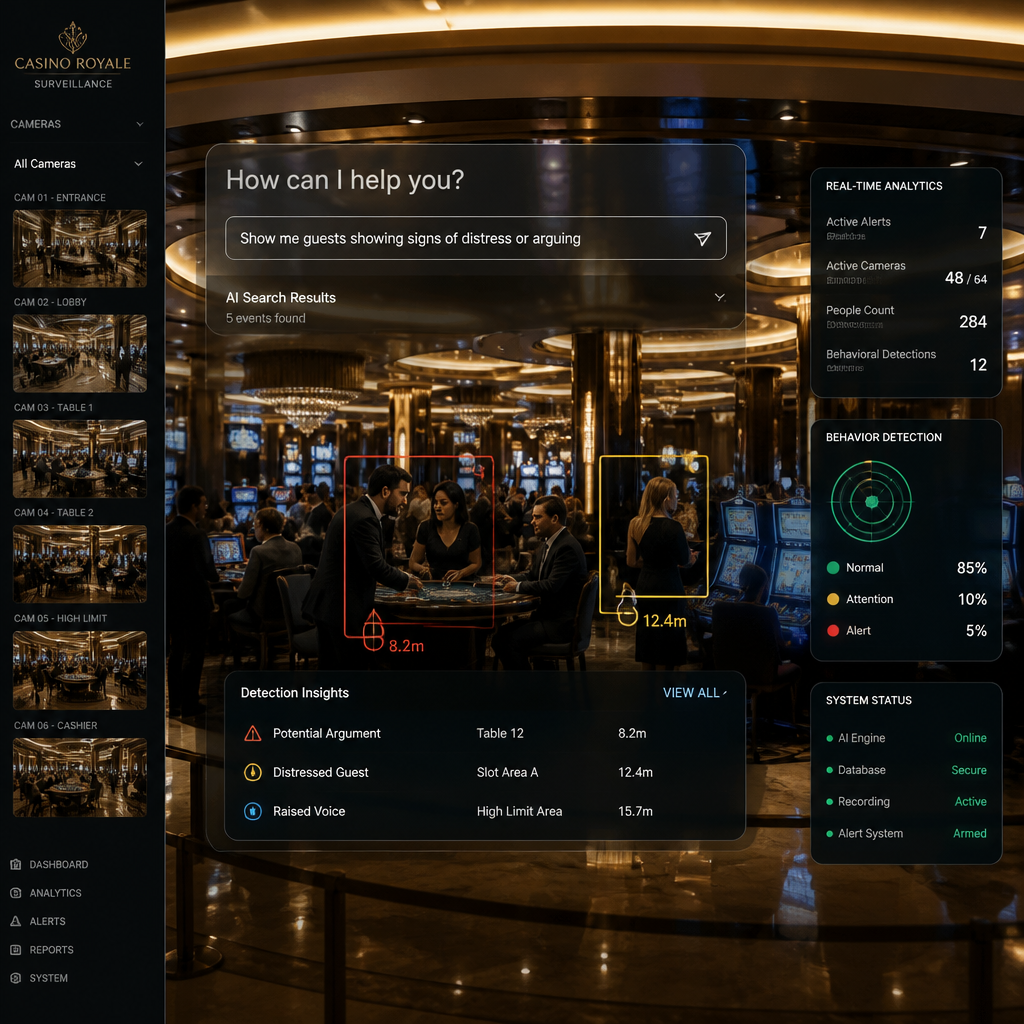
Casino gaming floor with card tables, players and ceiling cameras

Casino surveillance that answers the question the floor actually has, because an investigator describes the behaviour instead of choosing a preset alert.

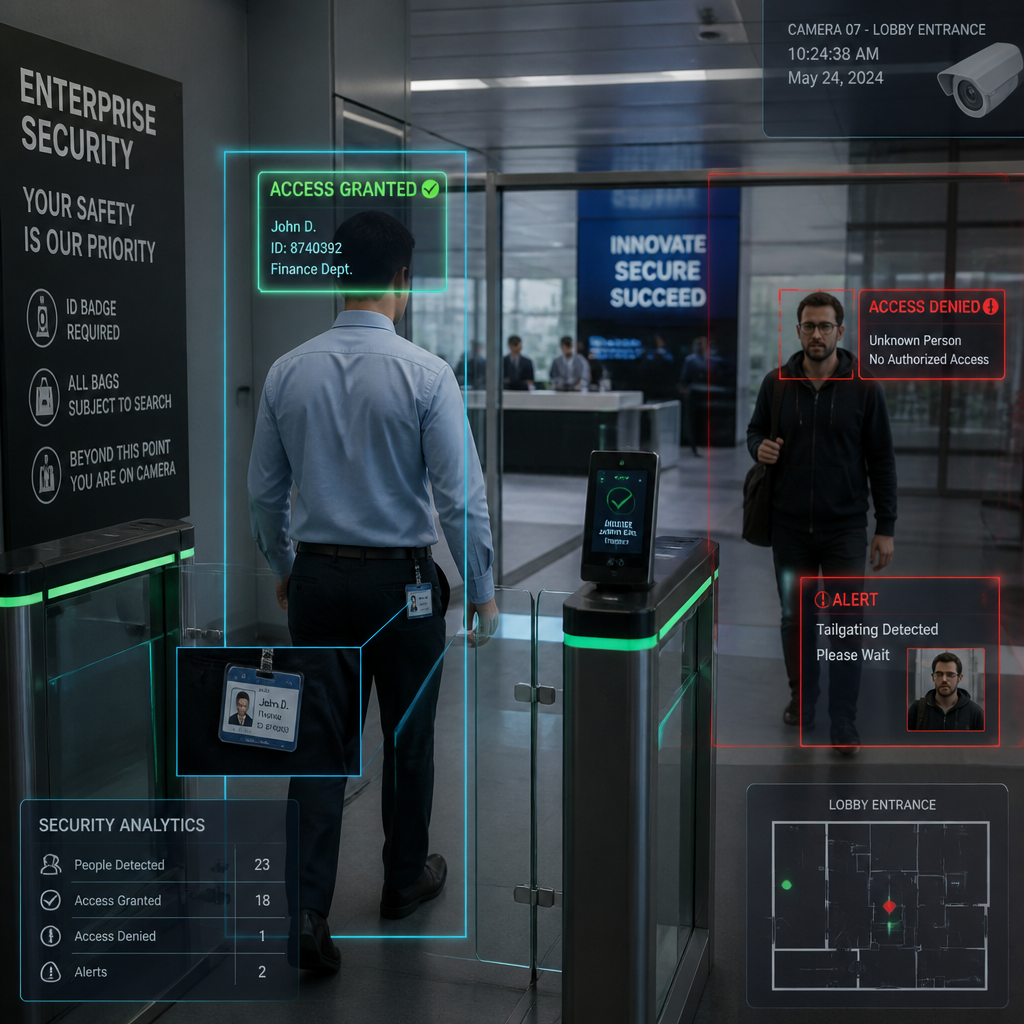
Visitors passing a turnstile access gate in a glass-fronted office lobby

Among access control companies, Argu is the layer that makes badge readers and turnstiles you already own enforce policy, not just open a door.

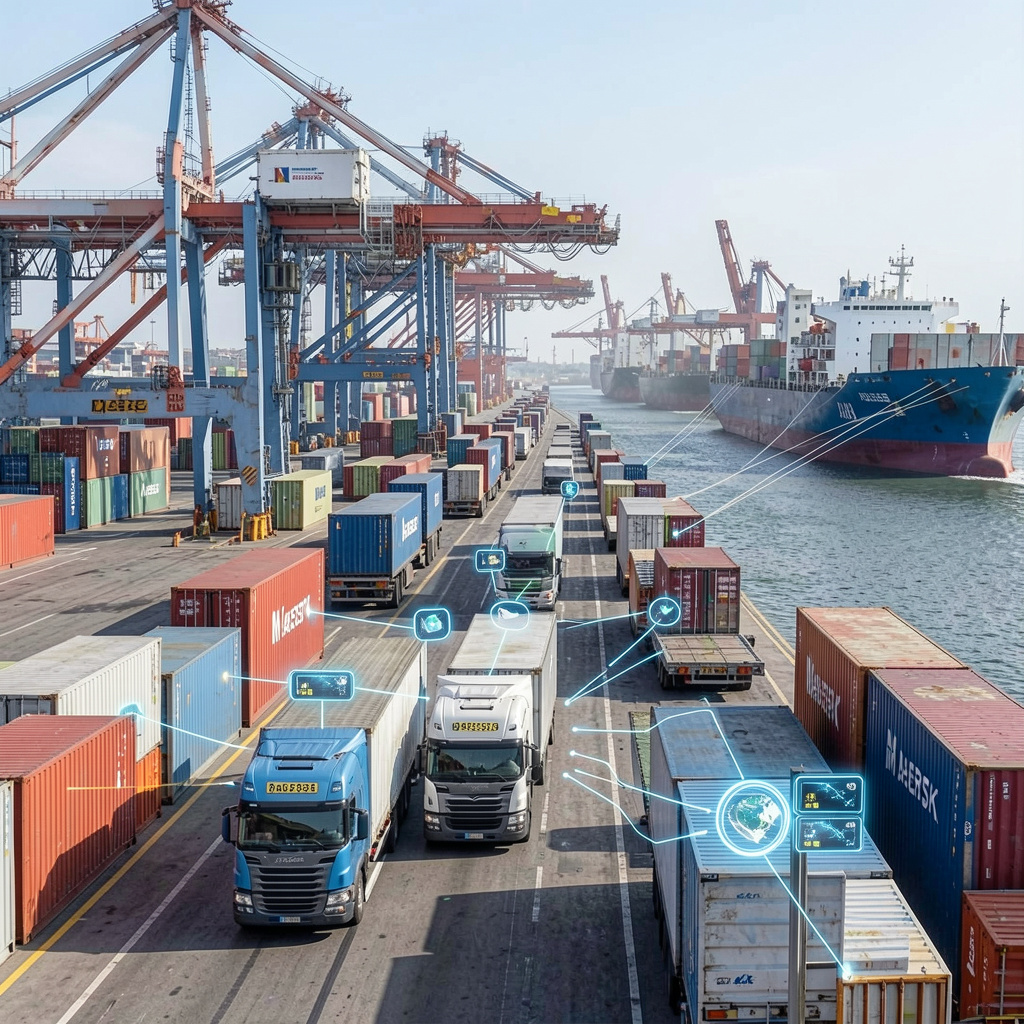
Container truck driving under a camera gantry at a port gate

Container OCR that reads a container ID, the truck plate underneath it, and the vessel name in one pass, so one camera covers what three checks used to.

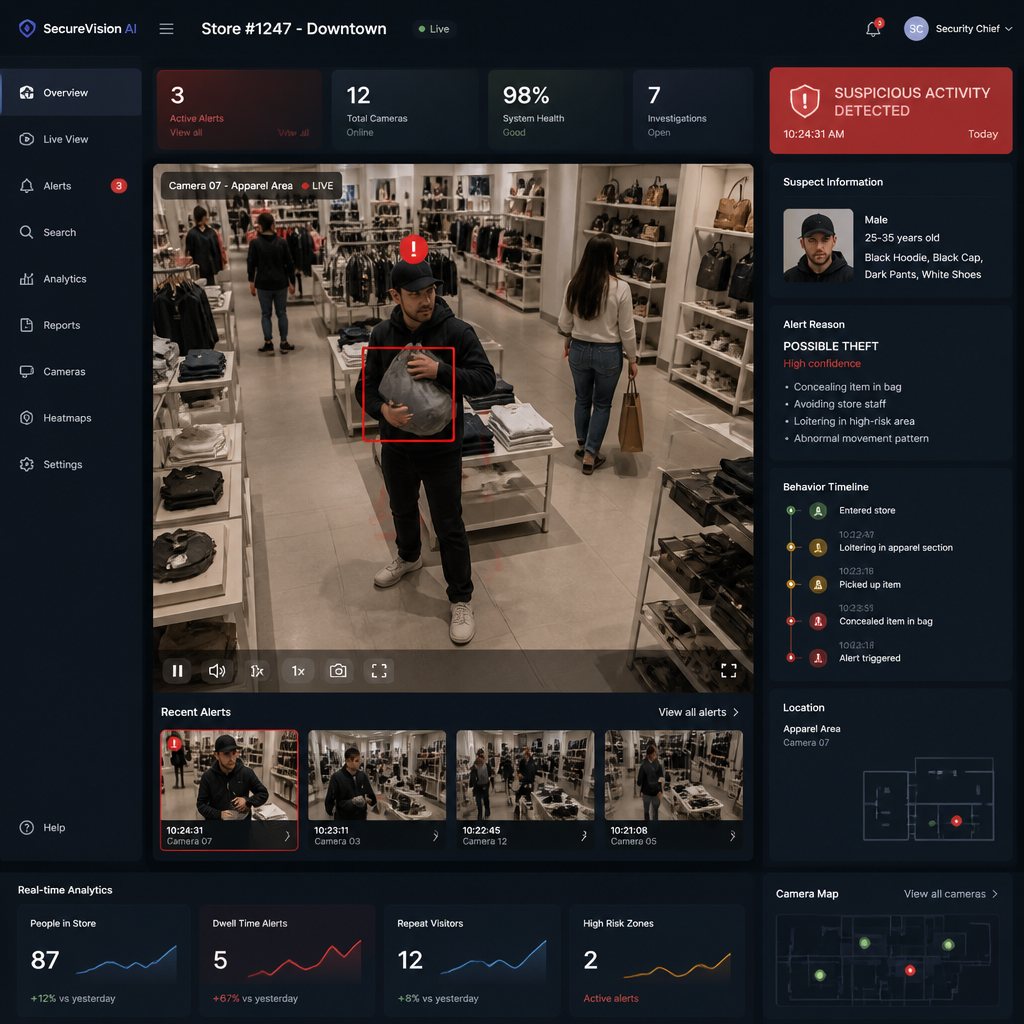
Retail security dashboard flagging a concealed item alert in a store

Argu AI gives loss prevention retail teams a way to catch concealment the moment it happens, not weeks later in a stock count.

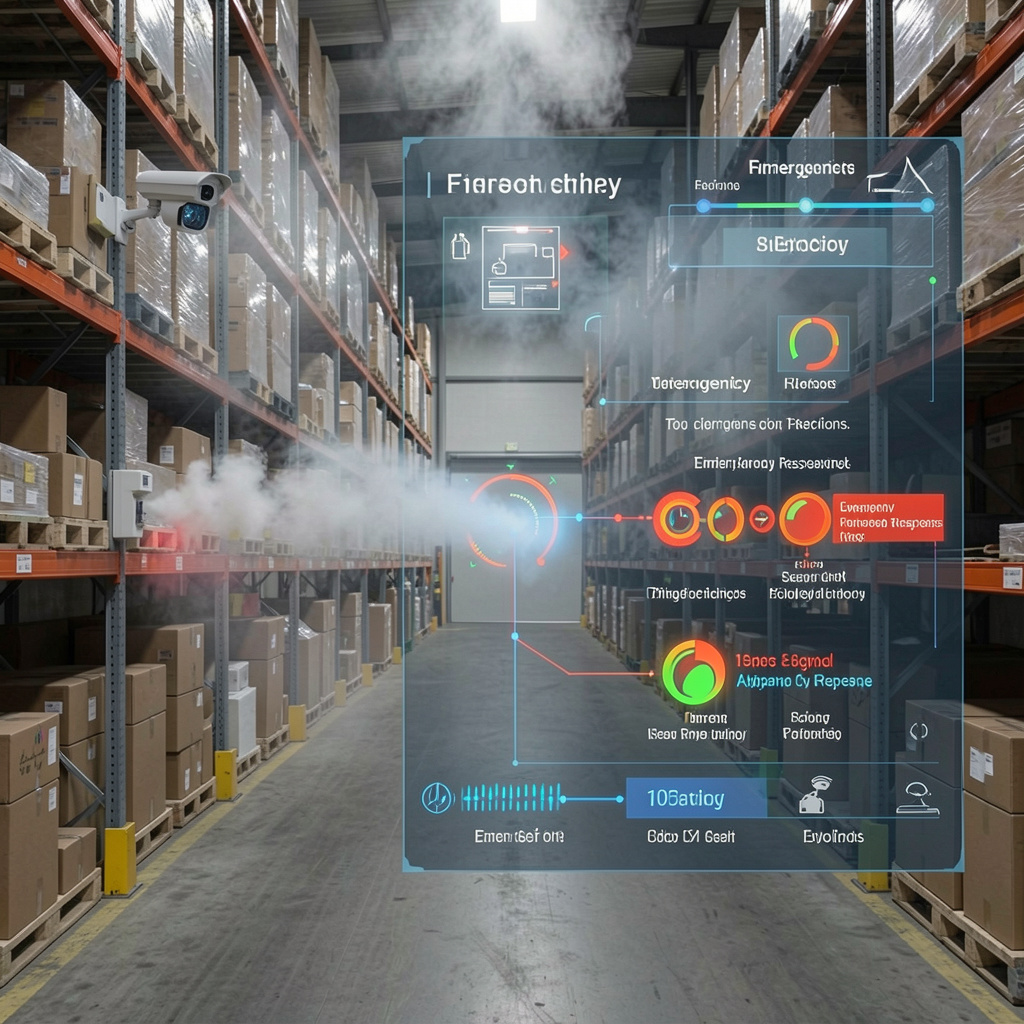
Warehouse aisle with a ceiling camera and smoke rising from a pallet

AI fire detection that spots a smoke plume anywhere in a warehouse or yard, not only in the small radius a ceiling sensor can reach.

Perimeter fence at night with a person climbing it under floodlights

Argu adds perimeter security that understands distance and depth, flagging a fence violation the moment someone starts to climb, not after they are inside.

Monitor & Secure your perimeter today!

Schedule a demo to see the AI agent run on your own footage.

Get a Custom Demo

See how the agent performs on your specific environment.

Portrait of a smiling woman in a gray blazer seated by a window
Portrait of a man in a dark suit with folded arms
Portrait of a man with glasses in a dark blazer

Join world-class security teams

By submitting this form, you agree to our Privacy Policy. Your data is encrypted.

Seamless Integration With