
Home » Argu Products » Violence Detection
Violence Detection
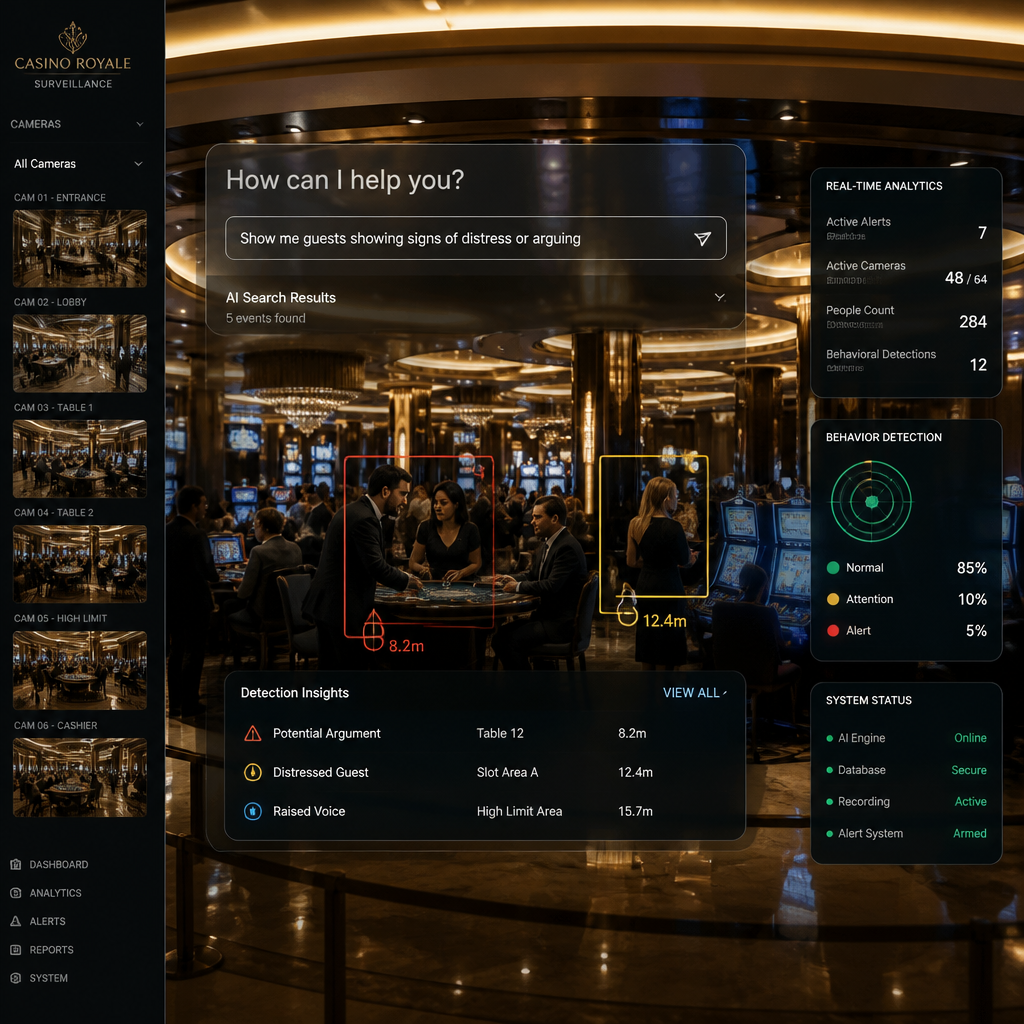
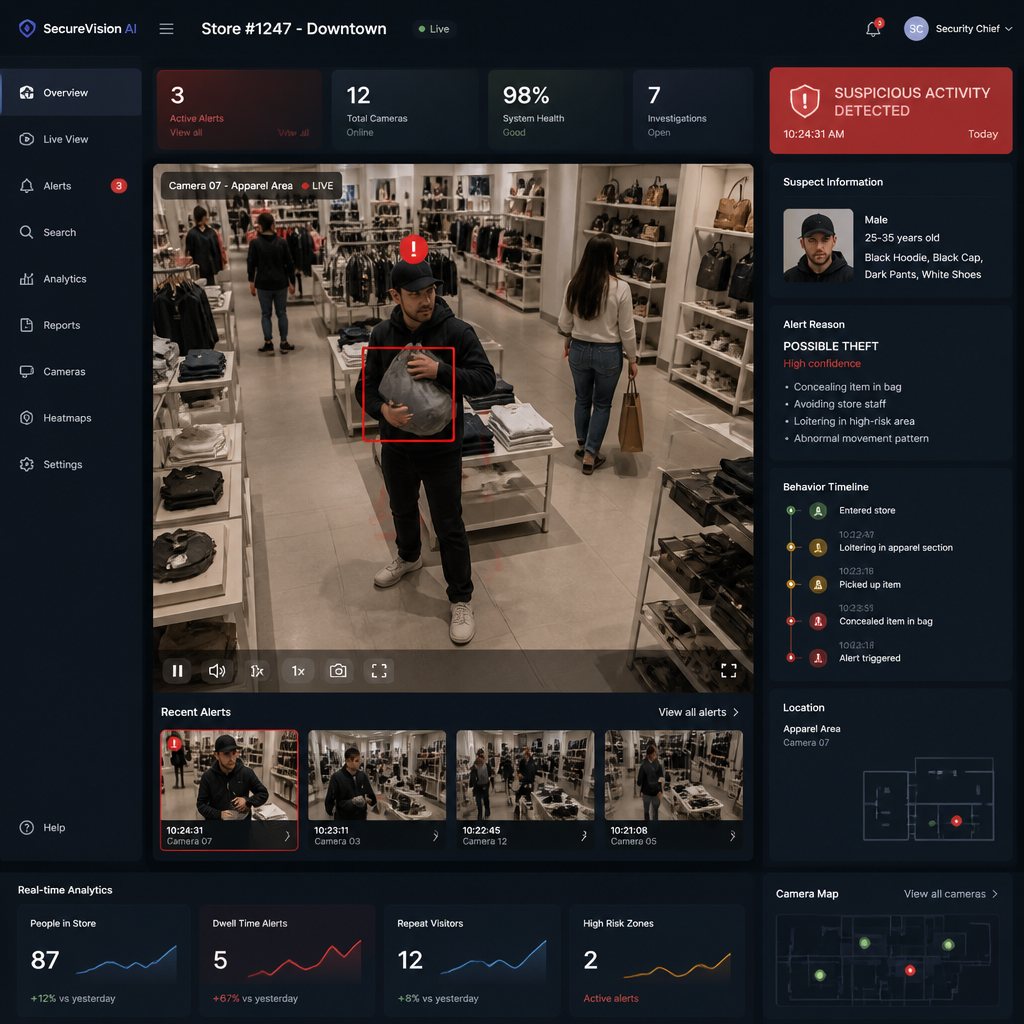
Violence detection that reads posturing and closing distance, so a team is alerted while an altercation is still forming.
The differentiator is that the rule is written, not configured. A venue can describe the situation that actually worries it, for example a group forming around one person near an exit, and that sentence becomes a live agent. No dataset of fights has to be collected first, and no model has to be trained. Arenas, malls and cinemas fold this into their retail video analytics and crowd safety reporting.
- Aggressive posturing can be flagged as early as eight seconds before physical contact begins, the same lead time already logged in the example above.
- The capability is built to work with infrared and thermal feeds in addition to standard video, relevant for car parks and stairwells outside a normal lighting range.
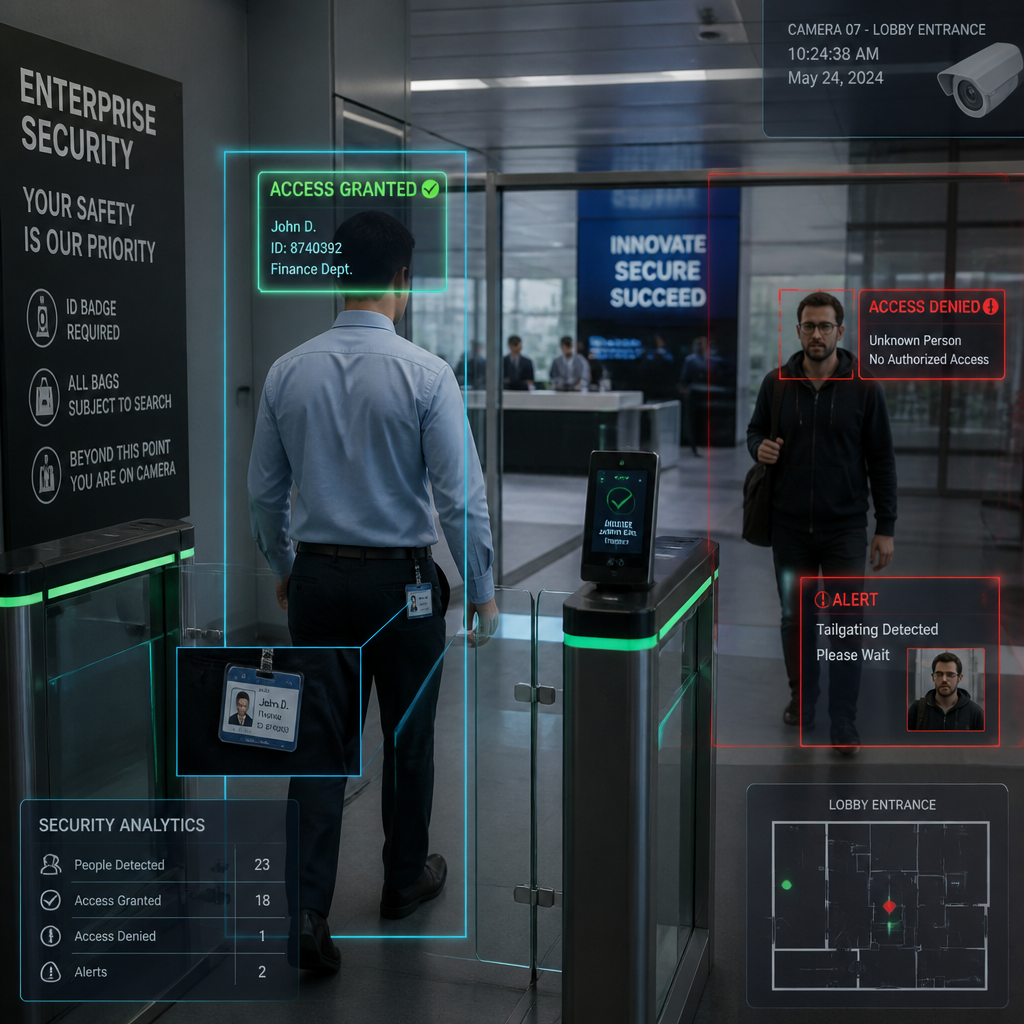
- Camera integration runs over RTSP and ONVIF Profile S/T/G, on the same 1080p–4K, 15–30 fps standard feeds used across Argu's other capabilities where full color video is available.
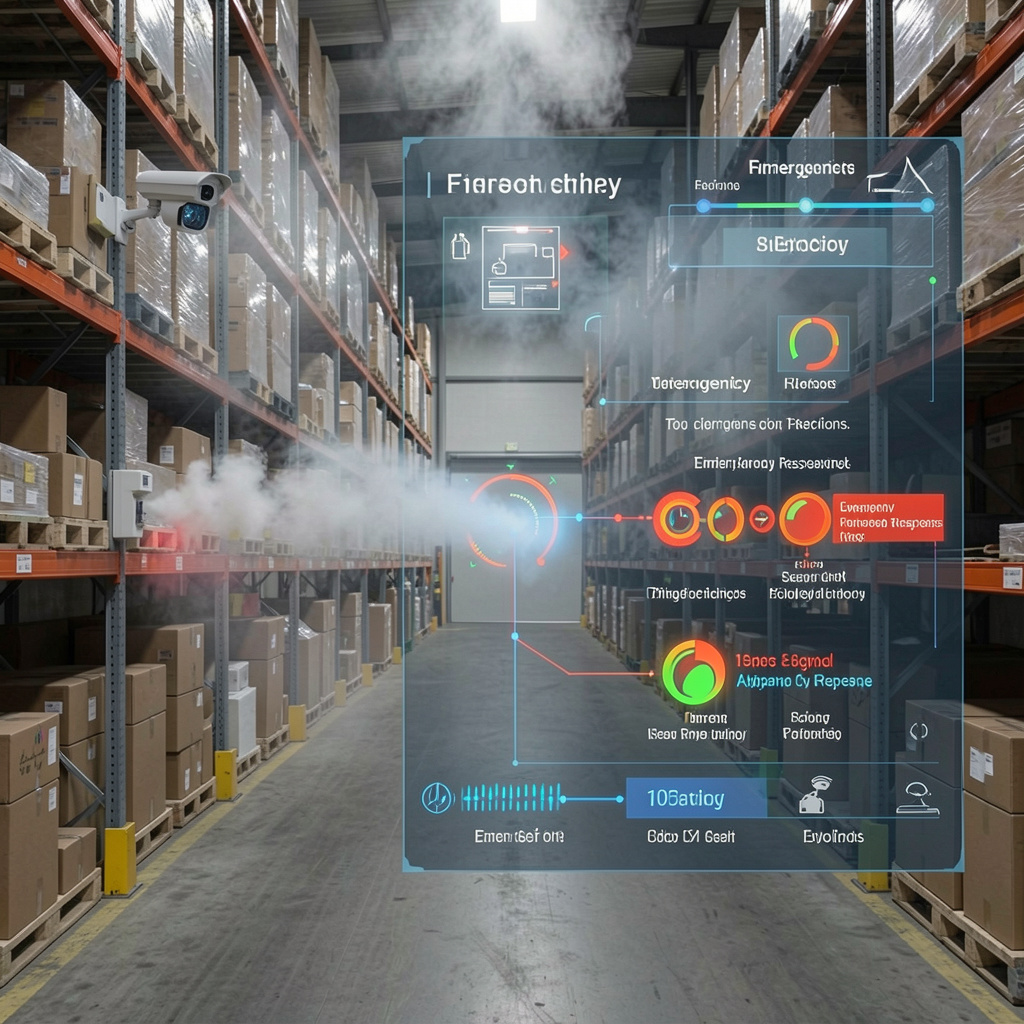
- Outdoor and stairwell installations typically use IP66/IP67-rated housings and IK10 vandal-resistant enclosures, the ratings that let a camera keep running unattended in a parking structure.
- A group encirclement near an exit is one of the scenario types Argu highlights, tying crowd dynamics to the same egress-focused intent behind NFPA 101 life-safety planning.
- No new camera hardware is required; the capability runs on infrared, thermal, and standard feeds a venue already has installed.
Arenas and malls fold this into the wider commercial-venue coverage referenced above, and casino floors apply the same behavioral approach inside a broader casino surveillance operation. Teams evaluating how often a system like this fires unnecessarily can review Argu's notes on false alarm rate, and venues screening for weapons alongside behavior can pair this with the gun detection system.
| Axis | Motion / pixel-change detector | Argu behavioral vision-agent approach |
|---|---|---|
| What raises the alert | Any pixel change above a set threshold | Posturing and closing distance read as behavior, flagged as early as eight seconds before contact |
| What a human must watch | Every motion trigger, including someone simply walking quickly | Only the described altercation or group-formation scenario |
| Integration path | A new motion sensor or dedicated camera per zone | Existing RTSP or ONVIF Profile S/T/G feeds, including infrared and thermal |
| Applicable standards context | Not tied to a life-safety framework | Group-formation and exit-proximity scenarios align with the intent of NFPA 101 egress and occupant-safety planning |
| Camera / feed required | A standard visible-light camera only | Standard, infrared, or thermal feeds, with outdoor units typically IP66/IP67-rated and IK10 vandal-resistant |
| What gets retained | A motion-triggered clip with no behavioral context | The flagged event plus the described scenario it matched, for review and rule refinement |