

Casinos
Real-time gaming floor intelligence and operational monitoring. Detect incidents, monitor activity, and improve security across large casino environments.
Real-time gaming floor intelligence and operational monitoring. Detect incidents, monitor activity, and improve security across large casino environments.
Explore real-world AI monitoring scenarios tailored to this industry.
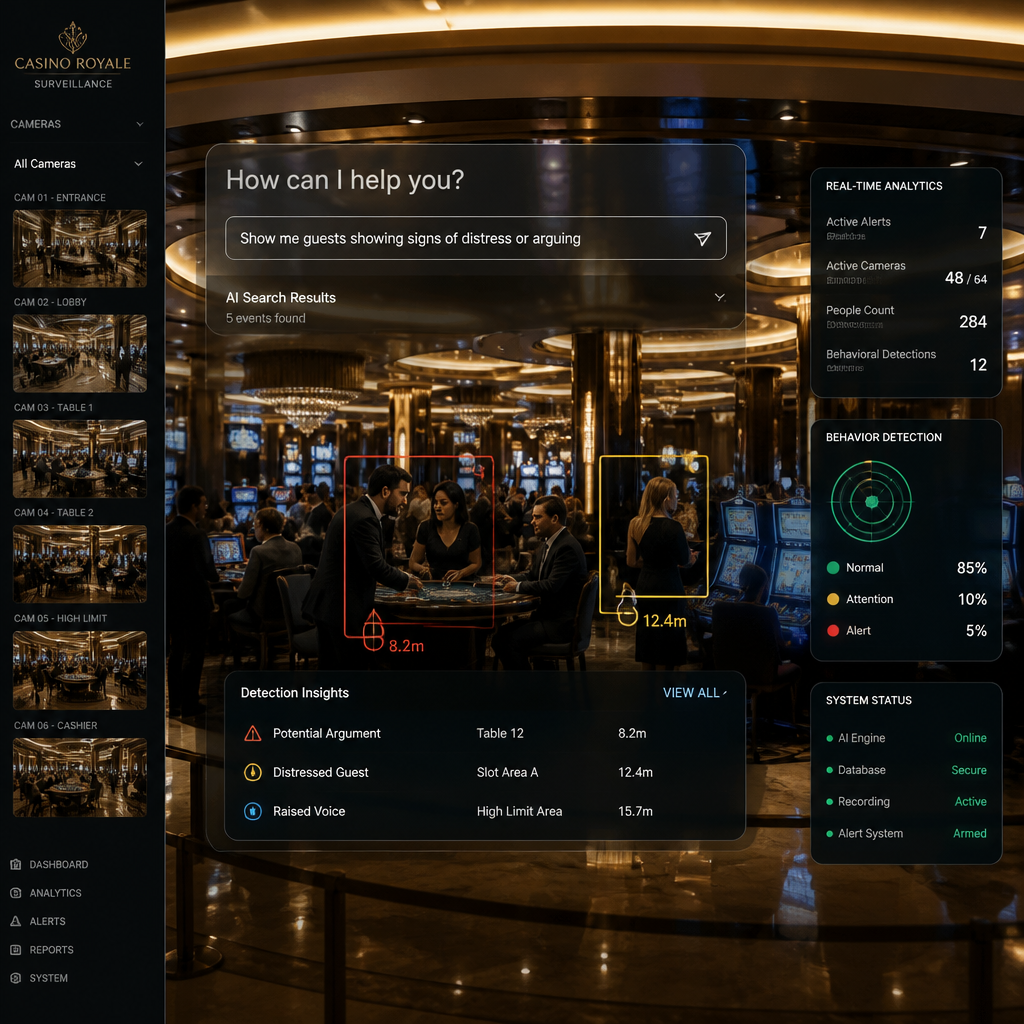
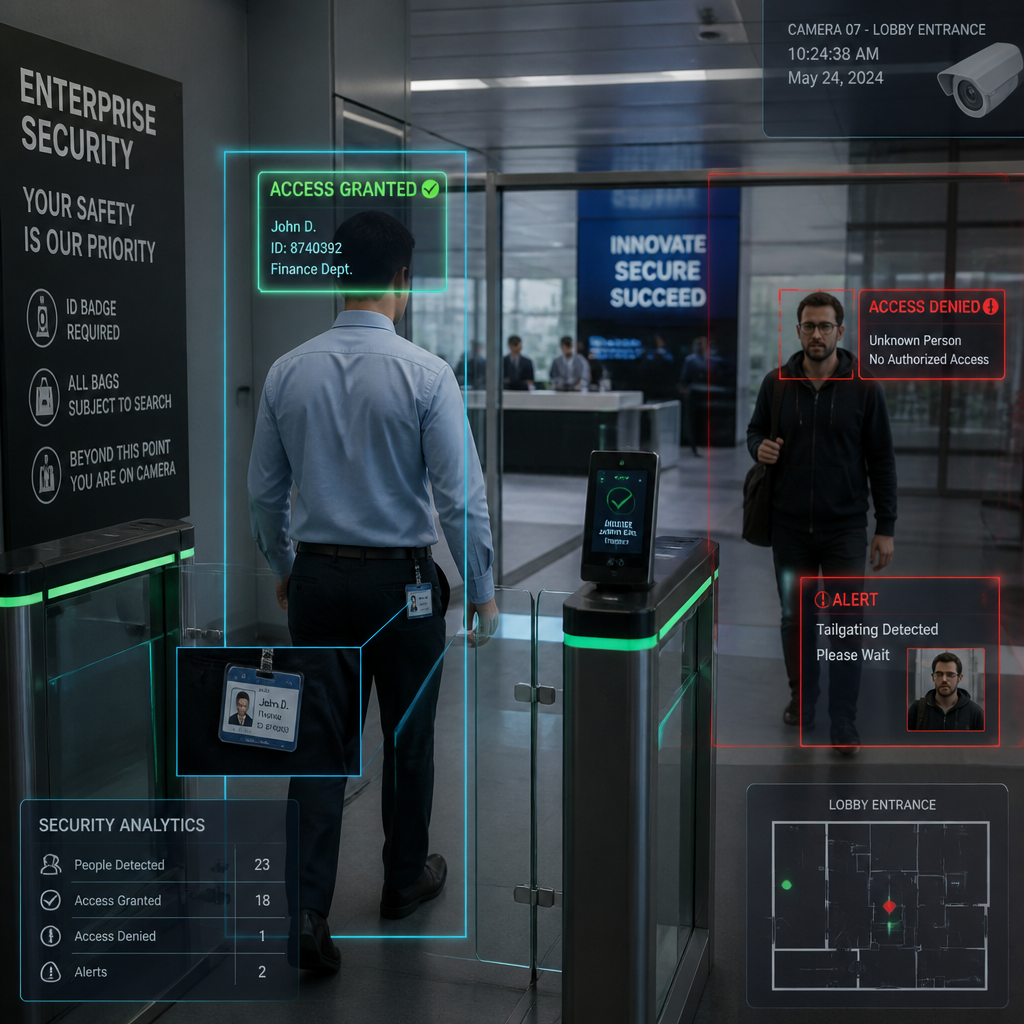
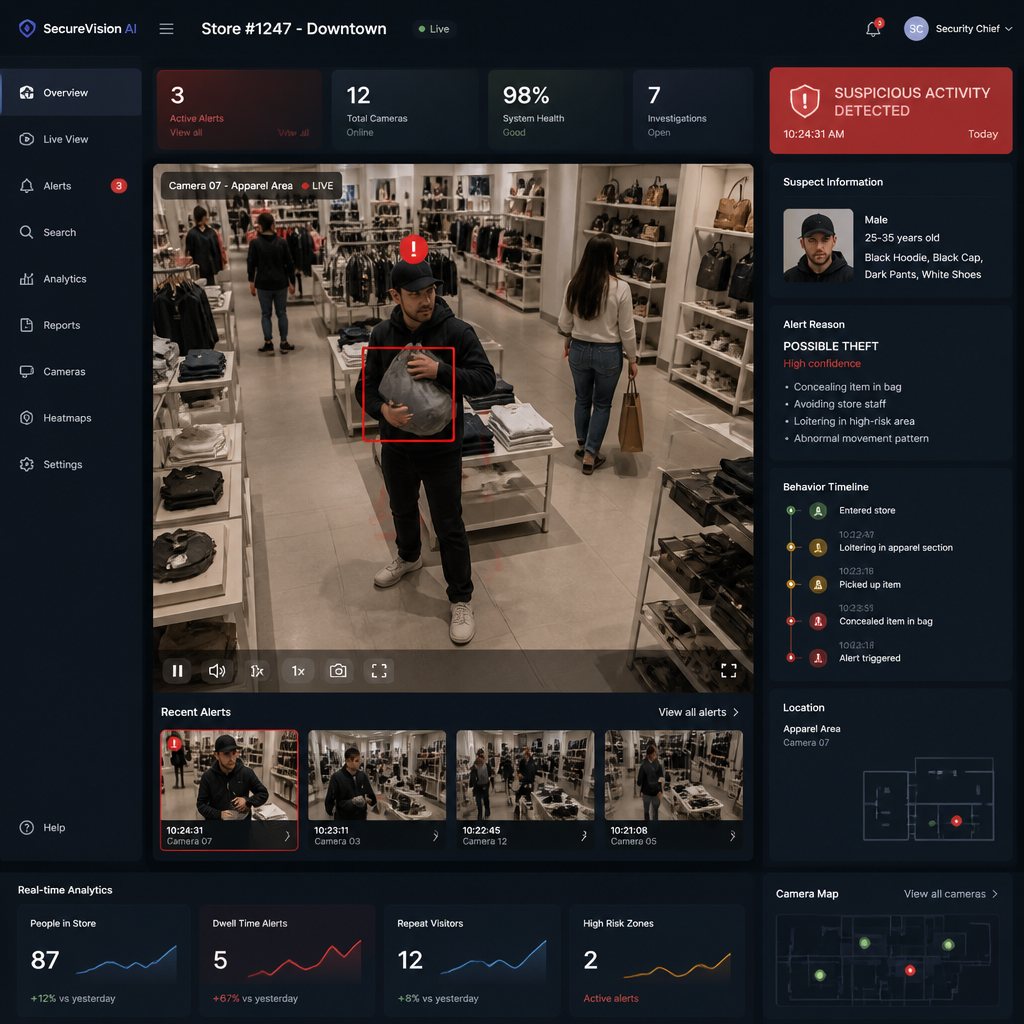


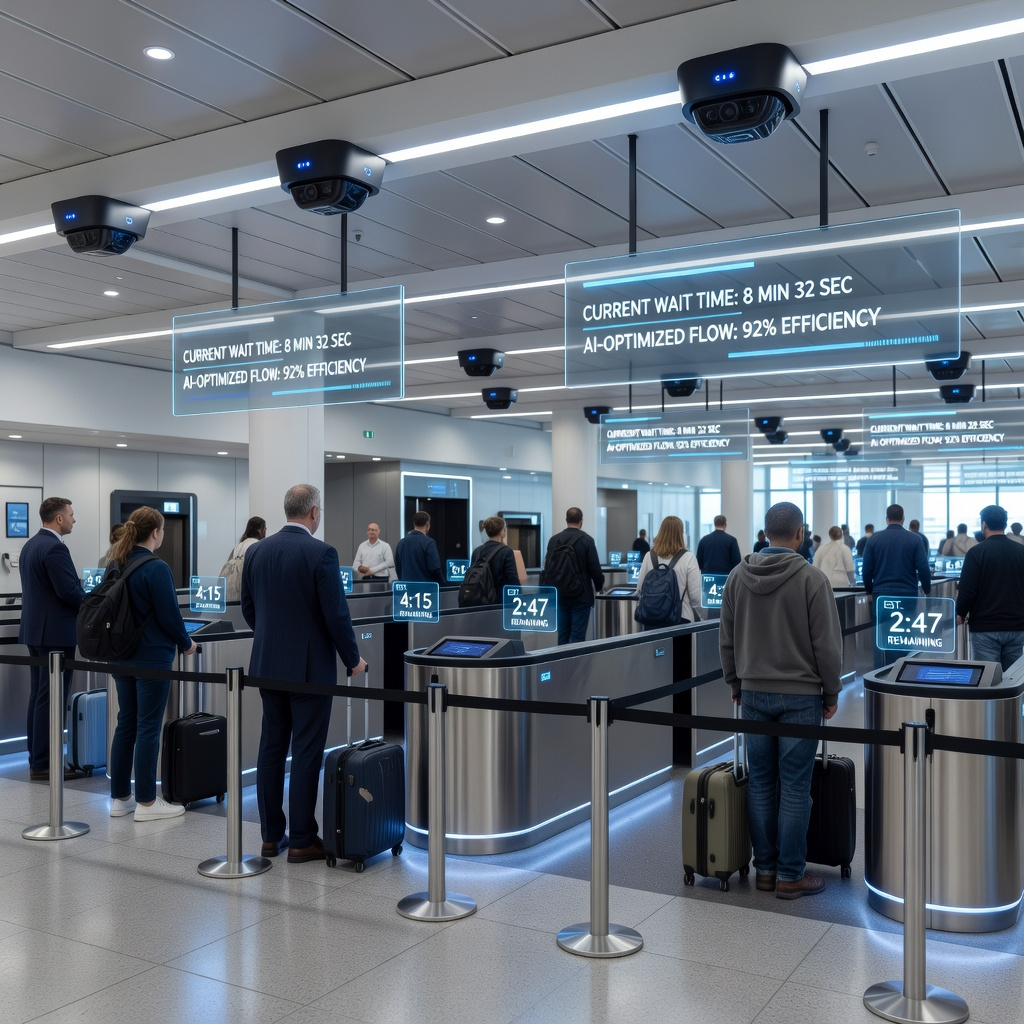

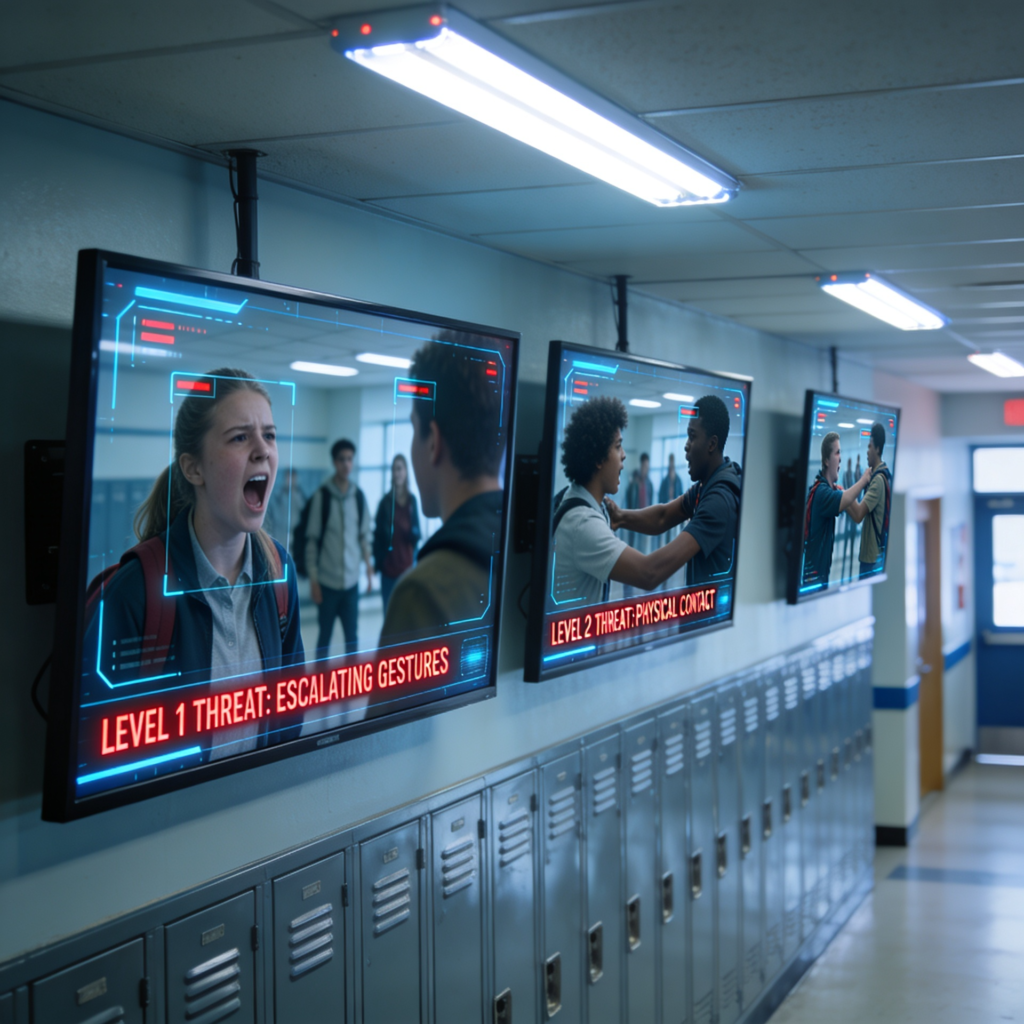


Casino surveillance is the continuous, regulated monitoring of a gaming floor, cage, and cash handling areas to protect game integrity, catch collusion and advantage play, and produce a verifiable record investigators can review after the fact. Unlike a retail store or an office lobby, everyone on a casino floor already knows the cameras are there, and the job of surveillance is built around that fact, not around catching someone off guard.
Every licensed gaming jurisdiction imposes some baseline requirement on camera coverage on the gaming floor, retention, and access to footage. That obligation defines the minimum a property has to meet, but it says nothing about how a surveillance team actually finds the thing they are looking for once an incident is reported. Meeting a coverage requirement and running an effective surveillance operation are two different jobs, and a compliant camera plan can still leave an investigator scrubbing footage by hand for hours.
In Nevada, Nevada Gaming Commission Regulation 5.160 sets baseline surveillance system requirements for licensed properties, covering camera placement, recording standards and access controls, and most other gaming jurisdictions publish an equivalent regulation of their own. Meeting that baseline is the floor a compliance audit checks, not a description of how fast an investigator can actually find one specific hand at one specific table.
A casino floor is the one environment where the people under surveillance often understand the system as well as the operators do. Dealers, pit staff, and repeat patrons know where the cameras point, what a floor supervisor is trained to notice, and how long an average review takes. Surveillance built for a gaming floor has to assume the behavior in front of it is already adapted to being watched, which makes a fixed, publicly guessable rulebook the weakest possible foundation.
A pre-trained detector catches the pattern it was trained on, and only that pattern. On a floor where the exact method of a scam or a collusion attempt changes as soon as it is caught once, a vendor's 40-item alert list is already out of date the day it ships. A property that can describe a new pattern in a sentence and have a new vision agent watching for it within about 30 seconds, with no new dataset and no engineering request, is working at the speed the floor actually moves. A fixed detector tuned broadly enough to catch every variation of a scam usually raises its false alarm rate past what a surveillance room can act on, which is the tradeoff a described-scenario agent avoids by watching for one specific pattern at a time.
Collusion between a dealer and a patron, or between two patrons at the same table, rarely looks like a single suspicious moment. It looks like a pattern across many hands: a bet sized wrong at a consistent point, a tell repeated at the same stage of a shoe. Advantage play techniques change specifically because operators publish what they watch for, so the strongest defense is a surveillance team that can describe a new pattern the moment it is noticed instead of waiting for a vendor's next release.
Spotting a tell repeated at the same stage of a shoe depends on resolution as much as attention: table-game surveillance commonly runs at higher resolution than general floor coverage, often 4K, specifically so a reviewer can confirm a card value or a chip count after the fact rather than guess at it.
The cage, the count room, and every point where chips convert to cash are a different problem from the gaming tables: the risk is procedural, not behavioral, and ranges from simple internal theft to the money laundering exposure that comes with any cash-intensive business. Coverage there is less about spotting a dramatic incident and more about producing a clean, continuous record that reconciles against the count, backed by access control that limits who can physically enter the cage in the first place, so a discrepancy can be traced to a specific transaction and a specific person rather than a shift. Cash handling at the cage also sits inside a federal reporting requirement separate from any state gaming rule: Title 31 of the Bank Secrecy Act requires a casino to file a currency transaction report for cash transactions over 10,000 dollars in a single gaming day, and a continuous, timestamped video record is what lets that paper trail be reconciled against what the camera actually shows.
A patron under self-exclusion who returns to the floor is a responsible gaming failure, not a security incident to be treated the same as a card counter. Identity matching can flag a known self-exclusion case to staff so the property can act on it directly and privately, rather than relying on a floor supervisor recognizing a face from memory. This is a protective measure for the patron, and access to that match should stay limited to the staff responsible for responsible gaming compliance. Footage that includes a self-exclusion match, or any other footage pulled for a sensitive reason, can also go through video redaction before it is shared more broadly, so the match itself stays visible only to the staff who need to act on it.
Most casino surveillance work does not start with a live alert. It starts with a report, a dispute over a hand, a missing chip, a guest complaint, hours or days after the moment happened, and the investigator's job is to find it in footage that was never flagged at the time. That search runs inside whatever window the property has actually kept, commonly a minimum of 7 days for routine floor coverage under state gaming regulation and longer near the cage. A plain-language search across recorded footage turns that into a question instead of a manual review: who was at this table between these hours, or find the patron wearing a specific jacket who left through the north exit.
| Task | Fixed detector approach | Agent-based approach |
|---|---|---|
| New collusion pattern spotted | Reported to vendor, waits for a release | Described in a sentence, watched for immediately |
| Investigator reviewing a dispute | Manual scrub through hours of footage | Plain language search across the recording |
| Self-exclusion match | Depends on staff recognizing a face | Automated identity match, routed privately |
| Cage discrepancy trace | Cross-reference count logs by hand | Timestamped record searchable by transaction |
Argu approaches a gaming floor the same way it approaches any site where the situation that matters cannot be listed in advance: a surveillance director describes what they are looking for, in a sentence, and the floor is watched for it within about 30 seconds, without a dataset and without an engineer. That flexibility matters most exactly where advantage play and collusion methods keep changing faster than any fixed catalogue can be updated. For a property evaluating its surveillance program, the Argu team can discuss a specific floor plan and cage configuration.
Casino surveillance is the continuous monitoring of a gaming floor, cage, and cash handling areas required by gaming regulators to protect game integrity and produce a reviewable record of activity. It covers table games, slot areas, the cashier's cage, and count rooms, and it combines live observation with recorded footage investigators can search later. The obligation sets a minimum standard, while the actual effectiveness depends on how quickly a team can find what they are looking for. Baseline requirements such as Nevada Gaming Commission Regulation 5.160 set minimum camera placement and recording standards, and most other gaming jurisdictions publish an equivalent regulation.
Advantage play refers to legal techniques, such as card counting, that shift the odds in a player's favor without breaking any rule of the game. Cheating and collusion involve an agreement or method that violates the rules, such as a dealer and a patron working together. Surveillance teams have to distinguish between the two, because one is a business risk to manage and the other is a security incident to act on.
A self-excluded patron who re-enters the property is a responsible gaming issue, and staff need a reliable way to identify them without relying on memory alone. Identity matching can flag the match privately to the staff responsible for handling it, so the situation is addressed directly rather than publicly on the floor. This protects the patron and keeps the casino aligned with its responsible gaming obligations.
The cage and count room carry procedural risk rather than behavioral risk, since the concern is an accurate, traceable record of every cash and chip transaction rather than spotting a single suspicious action. Coverage there is built around continuous, timestamped recording that can be reconciled against the count. A gap in that record is much harder to explain after the fact than a gap in table coverage. Cash transactions over 10,000 dollars in a single gaming day also trigger a currency transaction report under Title 31 of the Bank Secrecy Act, a federal requirement separate from any state gaming rule.
Most of the actual workload is retrospective. A dispute, a missing chip, or a guest complaint is reported after the moment has passed, and an investigator has to search footage that was never flagged in real time to begin with. Live monitoring still matters for immediate incidents, but the daily work of a surveillance team is dominated by finding something specific in footage that already exists. That search runs inside whatever footage the property has actually retained, commonly a minimum of 7 days for routine floor coverage under state gaming regulation.
Table-game surveillance commonly runs at higher resolution than general floor coverage, often 4K, specifically so a reviewer can confirm a card value or a chip count after the fact. General floor and public-area coverage can run at a lower resolution because the review questions it answers, such as who entered through which door, need less detail than a hand at a table.
Retention periods are set by each jurisdiction's gaming regulator rather than a single national standard, but routine floor footage is commonly kept for a minimum of 7 days, with longer retention near the cage or for any footage tied to a flagged incident or an open investigation.


By submitting this form, you agree to our Privacy Policy. Your data is encrypted.